 Verona Hub
The context of the announcement
The appointment of Gensler marks a pivotal moment in the recent history of Hellas Verona. With a rich sporting heritage and a passionate fanbase, the club is striving to meet the new challenges of modern football. The design of a new stadium is not merely a structural improvement; it is an investment in the future, aimed at elevating the matchday experience for fans and enhancing team performance.
Choosing Gensler, a prestigious name in architecture, underscores the club's ambitions to remain competitive not just on the field but also in its infrastructure. By planning a facility that meets the highest international standards, Hellas Verona is charting a clear course towards innovation and sustainability.
What it means for Hellas Verona
The realization of a new stadium is critical for the club, not only to improve existing facilities but also to attract new sponsors and investments. A state-of-the-art venue could indeed be a key factor in increasing matchday revenues and enhancing the club's overall appeal.
Hellas Verona has always had a strong local identity, but now it has the opportunity to project itself on larger stages. The new structure will not only provide a better experience for fans but will also help create a more welcoming and modern environment for events and concerts, generating additional revenue streams.
Expectations for the project
Expectations for the new stadium are high. Fans anticipate an environment that not only enhances the atmosphere during matches but can also become a community landmark. Here are some of the features supporters hope to see: - Sustainable design: use of eco-friendly materials and technologies to reduce environmental impact. - Adequate capacity: a seating number that can accommodate a large audience without compromising the intimacy of support. - Modern infrastructure: areas for merchandising and dining that improve the overall experience. - Accessibility: easy access for everyone, including fans with disabilities.
The impact on fans
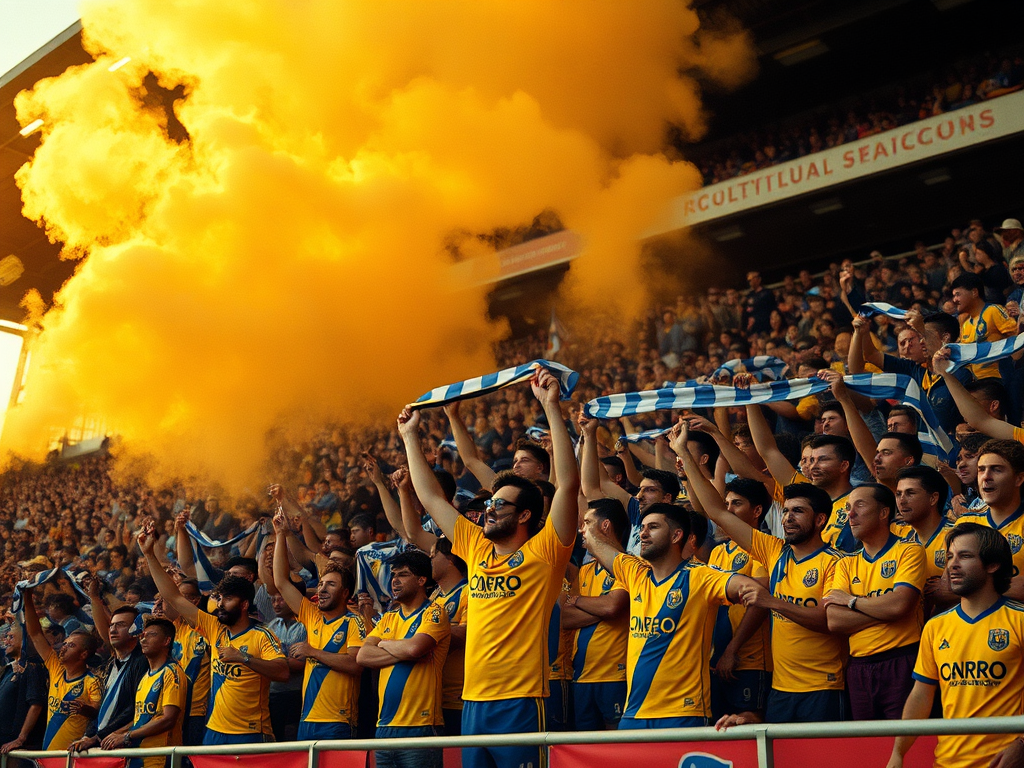
For fans of Hellas Verona, the news of the appointment of Gensler has been met with enthusiasm. Many see the new stadium as an opportunity to experience an entirely revamped matchday. Social media has been flooded with positive comments, with fans expressing their joy and expectations.
However, there are also critical voices. Some fans fear that a new stadium might detract from the traditional atmosphere that characterizes matches at Marcantonio Bentegodi. The challenge for the club will be to maintain the history and identity that have made Hellas Verona a unique brand in Italian football.
Future prospects for the club
With the Gensler project underway, Hellas Verona is preparing to enter a new era. This is not just about the new stadium; it also encompasses the ambition to improve the team and its positioning in Serie A. The management is working to ensure that investments in infrastructure are accompanied by a strengthening of resources on the field.
A new stadium could represent a competitive advantage, attracting high-level players and allowing the club to fight for higher standings in the table. Furthermore, Hellas could leverage this opportunity to strengthen its international presence by participating in European competitions in a state-of-the-art environment.
What’s next
In conclusion, the appointment of Gensler represents a significant turning point for Hellas Verona. With the goal of building a stadium that not only meets modern needs but also becomes a symbol of rebirth for the club, the future looks promising. Anticipation is now palpable, and fans are eager to see how this ambitious project will materialize. The road ahead is long, but Hellas Verona has shown that it is ready to face the challenges to come.